What is Degenerative Disc Disease?
how we can help
Degenerative Disc Disease Overview
Despite its name, degenerative disc disease (DDD) is not a disease, it’s a common spinal condition caused by deterioration of the spinal discs. Spinal discs act as fluid-filled cushions – like shock absorbers – that support the weight of the spine and help it to remain flexible.
The lower back, or lumbar spine, has five vertebrae, which are the largest bones in the back. Doctors refer to them as L1 to L5. Spinal discs separate each of these vertebrae. About 90% of disc problems caused by degenerative disc disease happen in the lowest portions of your lumbar spine.
The cervical spine, which is the neck region, is comprised of seven vertebrae that support movements like turning the head side to side or looking up and down. Degenerative disc disease in this area can make those movements painful.
Although some degree of disc degeneration is a natural part of aging, when it results in pain or discomfort, it is classified as degenerative disc disease. According to a Science Daily report, one-third of people aged 40-59 show evidence of degenerative disc disease. The key to preserving spinal health and maintaining quality of life is early detection and appropriate
Table of Contents
Symptoms
Diagnosing
Treatments
Patients Ask:
What causes Degenerative Disk Disease?
Texas Back Institute Responds: A certain amount of disk degeneration results from the normal course of aging, however, in some cases a genetic predisposition is possible. Other causes include small tears and cracks in the spinal discs. When the outer wall of the spinal disc cracks open, it may bulge out, resulting in a herniated disc (link to webpage).
The Symptoms of DDD
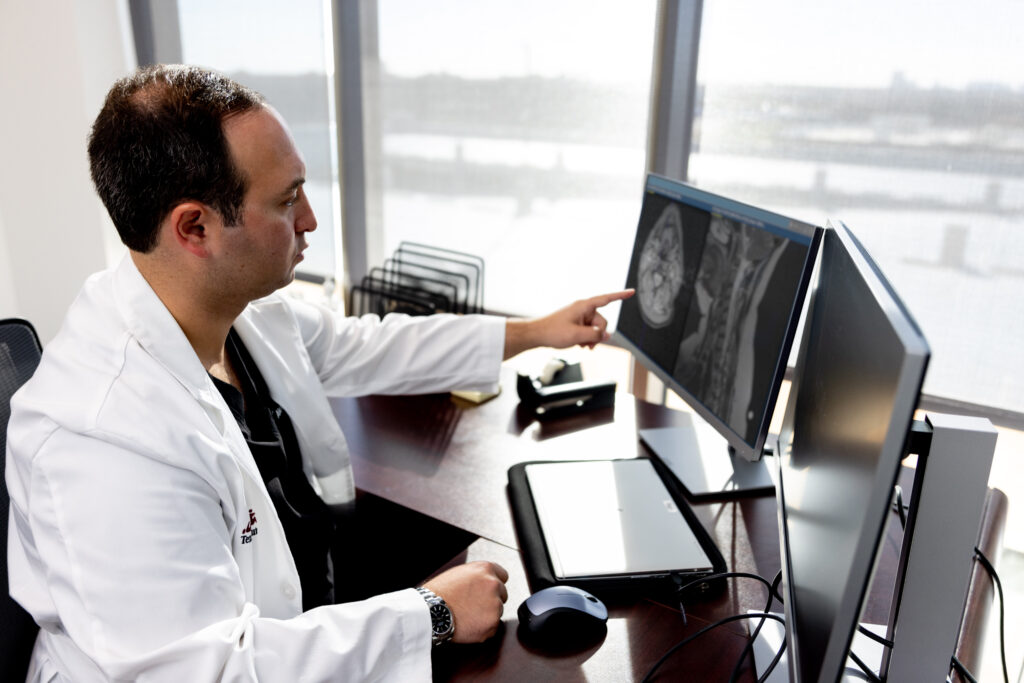
Symptoms of degenerative disc disease typically include intermittent back pain or neck pain, numbness or tingling in the arms or legs, pain that radiates down to the buttocks and legs, and aggravating pain caused by movements such as sitting, bending, or lifting.
Without the support of spinal discs, the spinal vertebrae can begin to rub together. Over time, the spine can show more signs of wear and tear – resulting in further damage to the vertebrae. Small bony growths called bone spurs, which are extremely painful, may form because of this prolonged irritation.
Patients Ask:
Is DDD the same as arthritis?
Texas Back Institute Responds: While both conditions can affect the spine, they are not the same. These conditions can coexist, but they have different causes. DDD involves the breakdown and dehydration of spinal discs. Arthritis refers to inflammation in the joints.
Four Stages of Degenerative Disc Disease
Stage One (Dysfunction Stage)
This stage is characterized by subtle changes in the curvature of the spine. Indicators include loss of natural spine curvature, increased pressure on spinal discs, and a greater risk of developing herniated or bulging discs (link to webpage). DDD is often without discomfort at this preliminary stage. With early detection, it might be possible to implement preventative and non-invasive care strategies.
Stage Two (Dehydration Stage)
At this stage, spinal discs lose moisture and become thinner. This is also the stage where most people begin to feel some discomfort. In the dehydration stage, discs begin to lose their ability to cushion the spinal vertebrae and absorb shocks to the spine from bending and twisting movements. A lack of energy is not unusual.
Stage Three (Stabilization Stage)
At this stage, the spine attempts to become stable despite its changing structure. It’s at this stage that deformation of the spine becomes more apparent, and that pain and discomfort worsen. Spinal discs provide little if any spine support. Irritation and inflammation then begin to result from the lack of support. Mobility of the spine becomes more limited. At this stage, it’s possible to experience nerve compression (link to webpage) due to spinal stenosis (link to webpage). Patients often experience neuropathy, a feeling of numbness and tingling, which could also present as a burning or chilling sensation. DDD becomes much harder to treat after the third stage.
Stage Four (Collapsing Stage)
At this stage, the degeneration of the spinal disks is irreversible and involves a great loss of mobility. If DDD has progressed to this point, the only way to correct it is through degenerative disc disease surgery. At this point, the bones of the spine have begun to fuse together because of the weight placed on the spinal column. This happens because the spinal discs are no longer present to separate and cushion spinal vertebrae. Most people in the collapsing stage are in constant pain and unable to live a normal life.
Patients Ask:
How fast does Degenerative Disc Disease progress?
Texas Back Institute Responds: The rate of progression varies from person to person and can be affected by several factors – such as genetics, lifestyle, and overall health.
Protect Your Spine
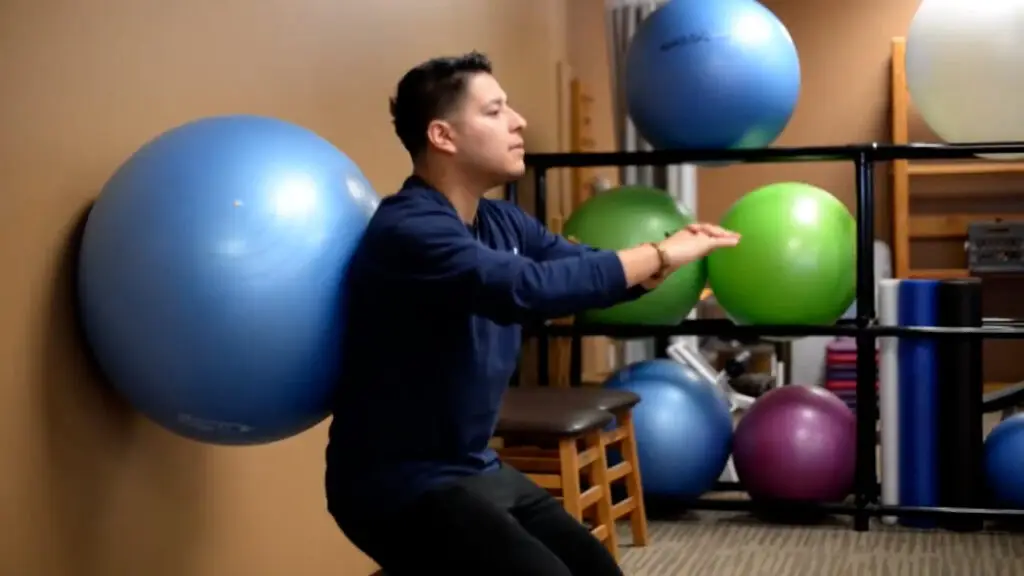
Since degenerative disk disease is commonly associated with aging, it’s important to understand what can be done to keep the spine healthy. Here are some proactive steps to take to maintain spinal health.
Maintain Good Posture
The spine naturally has three curves These include the neck (cervical), the middle of the back (thoracic), and the lower back (lumbar). Good posture focuses on protecting these natural curves.
To protect the cervical curve slightly tilt up the chin when sitting or standing. Check alignment of the ears, shoulders, hips, and knees to make a straight plane. To focus on the lumbar curve, place a small pillow or a rolled-up towel under the neck or the lower back to support the natural curve. To maintain the thoracic curve, strengthen the abdominal and back muscles.
Correct Poor Workstation Set-up
A desk or computer monitor at the wrong height can lead to excessive bending, putting added stress on the spine. Proper lumbar support ensures that the hips are parallel to the knees and is essential to spinal health. Height adjustable desks allow a person to sit or stand while working and ergonomic chairs can supply lumbar support.
Exercise for Building Core Strength
Core strengthening, low-impact cardio, and sustained stretching help maintain spinal flexibility and reduce muscle tension. Don’t forget to include prolonged stretching that takes your joints through the full range of motion.
Lifestyle
The American Council on Exercise recommends taking a 30-minute walk (or other aerobic activity) about five times per week as a way of generally supporting your health. If you smoke, quit. Maintain a healthy weight.
Patients Ask:
Is Degenerative Disk Disease hereditary?
Texas Back Institute Responds:While there is evidence that genetics can play a role, there are other factors. Some risk factors that can lead to DDD include acute injuries (falls), obesity, gender (women are more prone to experiencing symptoms), smoking, and physically demanding jobs.
How Does Degenerative Disc Pain Feel?
While this pain may vary, in general, this includes:
- Localized pain in the lumbar or cervical spine
- Pain that may radiate to the arms and hands or to the buttocks and legs
- Pain that ranges from mild to moderate or severe
- Intermittent pain that starts and stops
- Activities like bending, twisting, or lifting that worsen the pain
- Pain increases over time
Patients Ask:
What is the best pain relief for DDD?
Texas Back Institute Responds: Over the counter anti-inflammatory medication and an exercise regimen are typically recommended, however for chronic or severe pain, prescription medications like oral steroids, muscle relaxers, or prescription strength NSAIDs may be indicated. Gabapentin, an anti-seizure medication, can bring relief from nerve pain and is typically well tolerated.
How is Degenerative Disc Disease Diagnosed?
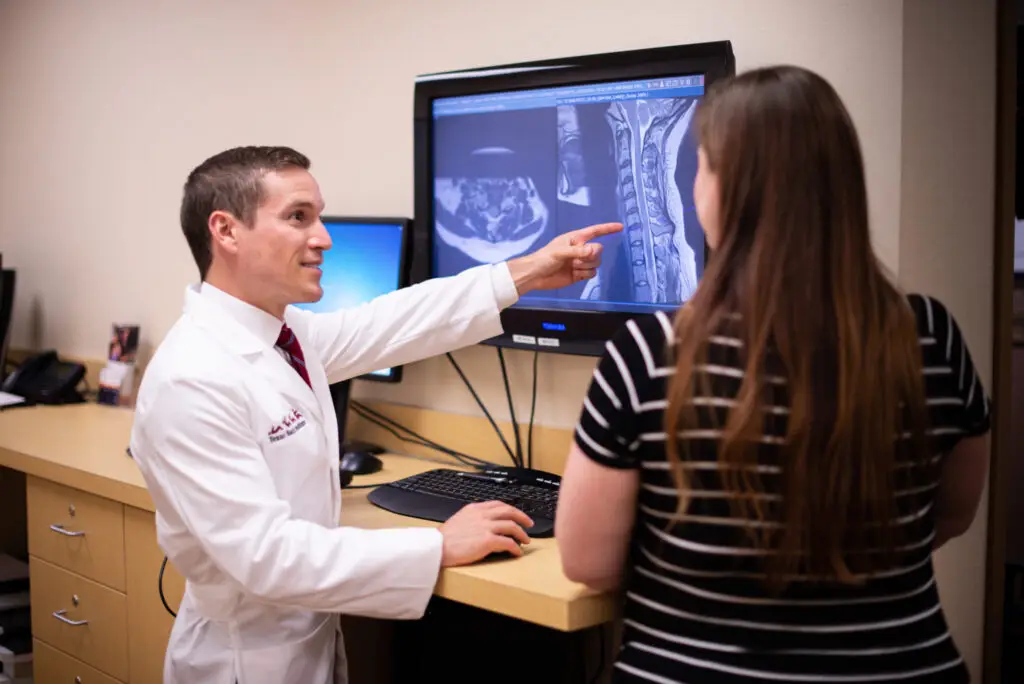
A medical history including a detailed family history is taken. A physical examination of the back, arms, hands, legs, and feet is performed to test strength, flexibility, range of motion, reflexes, and pain. The doctor will ask a series of questions to determine when the pain started and how severe it is. They may ask about an injury or accident that might be responsible for the onset of pain.
Treatment Protocols for Degenerative Disc Disease
In the treatment for DDD, the spine specialists at Texas Back Institute typically recommend non-invasive treatment options first. These might include physical therapy, NSAIDs, or steroid injections. Certain procedures work by interfering with the pain signals transmitted to the brain, thereby providing relief for patients suffering from pain associated with spinal issues. Other options include hot and cold therapy and lifestyle changes, like losing weight. If the pain persists after multiple non-invasive attempts at treatment, spinal decompression surgery may be the best option.
- A surgical procedure called a discectomy alleviates symptoms like pain, numbness, or muscle weakness caused by a compressed nerve. This procedure can be performed as a minimally invasive procedure.
- A laminectomy is a surgical procedure to relieve pressure on your spinal nerves by removing the arched back piece of your vertebrae.
- Disc replacement is a surgical procedure to remove a damaged spinal disc and replace it with an artificial disc. Spinal fusion is another option.
Diagnostic Tools: What tests do doctors use to diagnose degenerative disc disease?
Tests used to determine the progression of degenerative disc disease include an x-ray, bone scan, discogram/discography or myelogram.
- The best initial test for diagnosis is an X-ray taken in the standing position, with the spine flexed and then extended.
- Bone Scan – A small amount of radioactive material (a tracer) is injected into the bloodstream. A tracer accumulates in areas that show an increase in bone activity. In the case of DDD, a bone scan shows increased activity around affected discs.
- Discogram/Discography – This is an imaging test to determine if the spinal discs are the cause of pain. A small amount of contrast dye is injected into the disc. The contrast increases visual evidence of any abnormalities, such as tears, fissures, or degeneration. The patient reports the severity of the pain experienced during the procedure.
- Myelogram – A contrast material is injected into the area around your spinal column and nerve roots to determine any abnormalities. Imaging provides a detailed view of the spinal cord, spinal cord, and nerves.
Patients Ask:
What treatment is the best treatment for me?
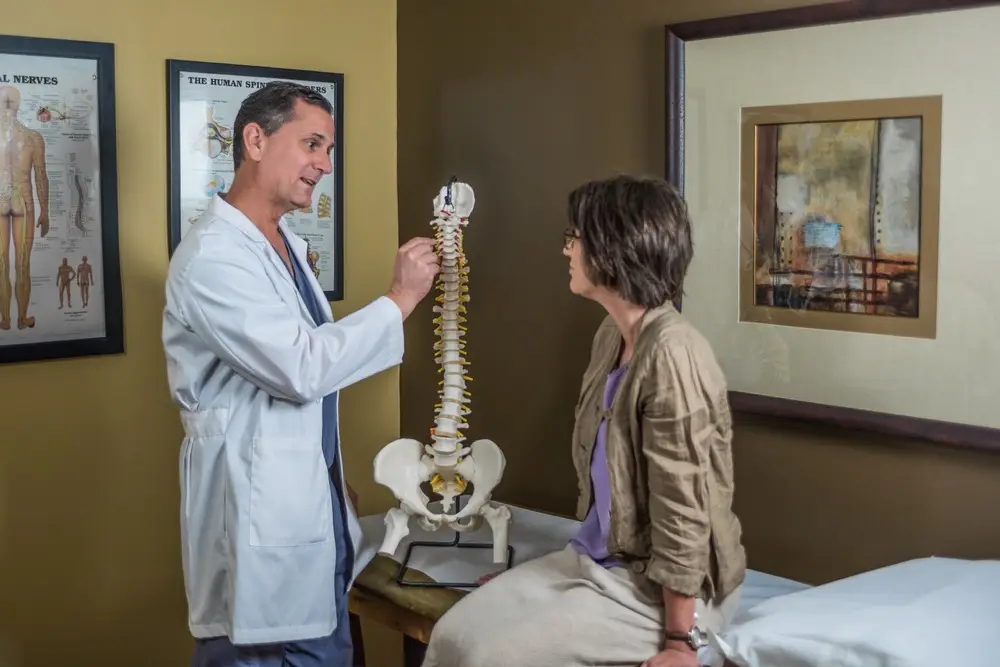
Texas Back Institute Responds: Every case is different. It is therefore very important to discuss treatment options with a spine specialist familiar with all types of spinal surgery in deciding which treatment, if any, may be best for you.
Care for Degenerative Disc Disease
- At Home Treatments: If symptoms are not severe, home care could include hot or cold therapy and over-the-counter anti-inflammatory medication, such as ibuprofen or naproxen.
- Prescription Medical Treatment: If symptoms and discomfort persist, doctors can prescribe stronger anti-inflammatory medication, including oral steroids for pain relief. Treatment at this stage could include physical therapy and steroid injections to the back or neck.
- Facet Injections: Degenerative disk disease can affect the facet joints (the joint in the spine where two vertebrae meet) resulting in nerve distress. Doctors may prescribe injections of nerve blockers (an anesthetic) into the facet joint to relieve pain.
Post-Op Recovery: Proper home care is essential. It’s important to adhere to all the surgeon’s post-op instructions to have a smooth recovery. Most people can walk unassisted within a day of the surgery. Patients should avoid strenuous activity for 6-8 weeks. Depending on the procedure and other factors, many people can return to work within two to four weeks after surgery.
Patients Ask:
What are some things to avoid with DDD?
Texas Back Institute Responds: Patients with degenerative disk disease should avoid overexertion and heavy lifting. They should try to avoid foods that cause inflammation. It’s important to note that resting too long can result in pain and discomfort. Patients should try to avoid smoking and overconsumption of alcohol. Patients should remember to adjust their posture and avoid twisting or sudden jerking movements.
Is Back Pain Ruining Your Quality of Life?
The skilled, caring spine surgeons combine decades of training and experience with state-of-the-art technology to the treatment of all back pain. If you are concerned about what might be causing chronic or sharp, acute pain in your back, now is a great time to get an expert to help you overcome this. It starts with a phone call.

Learn more
Frequently Asked Questions
A certain amount of disk degeneration results from the normal course of aging, however, in some cases a genetic predisposition is possible. Other causes include small tears and cracks in the spinal discs. When the outer wall of the spinal disc cracks open, it may bulge out, resulting in a herniated disc.
While both conditions can affect the spine, they are not the same. These conditions can coexist, but they have different causes. DDD involves the breakdown and dehydration of spinal discs. Arthritis refers to inflammation in the joints.
The rate of progression varies from person to person and can be affected by several factors – such as genetics, lifestyle, and overall health.
While there is evidence that genetics can play a role, there are other factors. Some risk factors that can lead to DDD include acute injuries (falls), obesity, gender (women are more prone to experiencing symptoms), smoking, and physically demanding jobs.
Over the counter anti-inflammatory medication and an exercise regimen are typically recommended, however for chronic or severe pain, prescription medications like oral steroids, muscle relaxers, or prescription strength NSAIDs may be indicated. Gabapentin, an anti-seizure medication, can bring relief from nerve pain and is typically well tolerated.
Every case is different. It is therefore very important to discuss treatment options with a spine specialist familiar with all types of spinal surgery in deciding which treatment, if any, may be best for you.
Patients with degenerative disk disease should avoid overexertion and heavy lifting. They should try to avoid foods that cause inflammation. It’s important to note that resting too long can result in pain and discomfort. Patients should try to avoid smoking and overconsumption of alcohol. Patients should remember to adjust their posture and avoid twisting or sudden jerking movements.
Locations