What is Myelopathy?
how we can help
An Overview of Myelopathy
Myelopathy describes a collection of symptoms that result from the compression of the spinal cord. The spine encases and protects the spinal cord. This spinal cord is a bundle of nerve tissue that controls movement, sensation, and other functions of the body. It serves as a pathway of communication signals between your brain and your body.
In most cases the thirty-three bones of the spine, called the vertebrae, protect your spinal cord, and prevent it from becoming compressed. Myelopathy occurs when there is pressure on the spinal cord due to trauma, instability, misalignment, or degenerative conditions like disc herniations. Bone spurs, which can form due to aging, arthritis (spondylosis), and spinal degeneration, can also contribute to spinal cord compression and myelopathy. These conditions develop over time due to gradual wear and tear, contributing to spinal issues.
Anatomical features and degenerative changes in the cervical spine can predispose individuals to myelopathy. Understanding these is crucial in comprehending the etiology and progression of the condition.
Table of Contents
Other causes of spinal cord compression may include:
- Infections along the spine
- Tumors
- Inflammation
- Autoimmune disorders
- Spinal stenosis or narrowing of the spine surrounding the nerves
- Musculoskeletal problems such as arthritis
- Congenital disorders
- Ossification of the posterior longitudinal ligament (OPLL), which is more prevalent in certain populations and linked to cervical myelopathy
Myelopathy often develops slowly and progresses in a stepwise manner. Factors that can contribute to this condition can be anything that results in the reduction of space in your spinal canal, including the normal “wear and tear” of everyday life. Myelopathy can also be caused by an injury or it can be the effect of other diseases – such as a tumor – compressing the spinal cord.
Symptoms
Diagnosing
Treatments
Patients Ask:
What happens when the spinal cord is compressed?
Texas Back Institute Responds: In some cases, spinal cord compression is asymptomatic. A thorough history and exam are critical to determine if the cord compression needs to be treated. Symptomatic spinal cord compression (myelopathy) can cause problems in almost any part of the body. Myelopathy that results from compression of the spinal cord may cause weakness of the hands and/or legs and problems with walking, balance, and coordination. Spinal cord compression can also cause loss of normal bladder, bowel, or sexual function. Nerve roots being pinched or compressed can result in symptoms associated with radiculopathy, including are and/or leg pain. The condition is often painless unless radiculopathy (compression of a nerve root) is present, which may cause radiating pain.
Patients Ask:
Can paralysis result from cervical myelopathy?
Texas Back Institute Responds: If cervical myelopathy (including degenerative cervical myelopathy) is left untreated, symptoms often get worse. Rare but serious long-term outcomes can include trouble walking, paralysis, and death. However, these are not typical outcomes.
What Are the Symptoms of Myelopathy?
Symptoms of Cervical Myelopathy
Myelopathy has a wide range of signs and symptoms, depending on which part of the spinal cord is compressed. If it is at the back of the neck, known as the cervical region of the spine, there may be problems such as numbness, tingling sensations, weakness, and pain. Cervical myelopathy occurs in the neck and is the most common form of myelopathy. Neck pain is a frequent symptom associated with cervical myelopathy.
Cervical myelopathy symptoms would appear just below the area where the compression occurs. Symptoms of cervical myelopathy can start from the neck to the shoulders and extend to the upper extremities. They can also radiate to the legs and feet depending on the severity of the nerve compression.
Symptoms of Lumbar Myelopathy
Myelopathy at the lower portion of the spine – the lumbar area – can cause pain, weakness, numbness, tingling, or cramping in the lower extremities. Myelopathy can cause problems with balance, walking, and running. It can also cause bladder and bowel problems.
Types of Myelopathies include:
- Cervical Myelopathy: This occurs at the top of the spine (the back of the neck) and is the most common type of myelopathy. Pain on the neck is one of the most common symptoms. Other patients complain of shoulder pain and discomfort.
- Thoracic Myelopathy: This occurs in the middle section of the vertebrae. The spinal cord in this region typically gets compressed due to problems at the spine such as bulging or protrusion of the discs (disks), herniation, subluxation, or spinal trauma.
- Lumbar Myelopathy: This occurs at the lower portion of the spine. It is a rare condition since the spinal cord ends just before the lumbar spine’s top section. However, in some individuals with a low-lying or tethered spinal cord, lumbar myelopathy can occur.
Patients Ask:
What does the suffix “pathy” in the term myelopathy mean?
Texas Back Institute Responds: The suffix “pathy” found in the term “myelopathy” indicates a disorder or abnormality. Myelopathy itself describes any compression related to the spinal cord. The most common form of myelopathy is cervical spondylotic myelopathy (CSM), resulting from the narrowing of the spinal canal (spinal stenosis) causing compression of the spinal cord. The term Degenerative cervical myelopathy (DCM) refers to myelopathy caused by degenerative conditions.
The most common patient symptoms of DCM include pain, numbness and/or weakness in the arm(s), difficulty walking due to fatigue and feeling off balance, and electric shock sensations down the back or arms with neck movement. Severe symptoms warrant immediate image testing with anMRI. If DCM is confirmed, referral to a spine surgeon is appropriate.
How is Myelopathy Diagnosed?
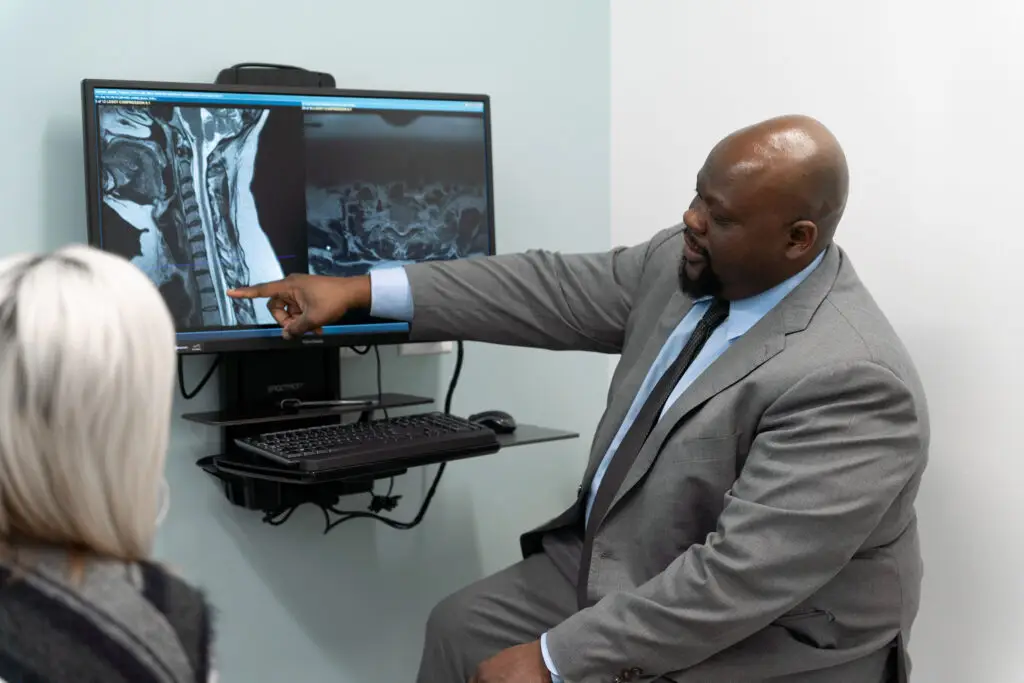
Diagnosing cervical myelopathy begins with a comprehensive physical examination. Imaging in the form of X-ray and MRI scans are often performed. A myelogram, an imaging test done in a combination of contrast dye and X-rays or CT scans, may be necessary to detect disorders with the spinal cord.
Myelopathy itself is a condition that should be treated as quickly as possible. If left untreated, it can result in the permanent loss of function. Once spinal cord damage occurs, it may not be fully reversible. Myelopathy most commonly affects adults aged fifty and older.
Click here to learn more about “baby boomers experiencing spinal cord compression
What is the Best Treatment for Myelopathy?
Treatment options for myelopathy are dictated by presenting signs and symptoms. Your doctor may recommend surgery to relieve spinal cord compression. Surgical interventions specifically aim to relieve pressure on the spinal cord, thereby preventing neurological deterioration and preserving function.
Treatment for this condition is based on underlying causes. Tumors are often treated with surgical removal for full diagnosis and treatment. Multiple sclerosis and inflammatory disorders are generally treated with immune suppression.
Spinal Cord Compression Surgery
Spinal cord compression may need to be treated surgically from the front or the back, or both. The spinal fusion procedure is used to reduce movement and immobilize the affected vertebrae making the spine more stable. This technique helps prevent further compression or damage to the spinal cord and nerves by decreasing the added stress that may accelerate with the progression of wear and tear. Surgical treatments aim to address compression in the spinal column to prevent further damage.
- Anterior decompression includes removal of the disc (discectomy) or removal of the vertebral body (corpectomy). These procedures are accompanied by either fusion or artificial disc replacement.
- Posterior decompression includes removal of the lamina, which is the roof of the spinal canal and is known as a laminectomy. This procedure may be accompanied by fusion with screws and rods. Widening of the spinal canal is also sometimes possible without complete removal of the lamina. This is known as laminoplasty.
Minimally invasive options for decompression and fusion are often available. According to the website StatPearls people who have surgery to correct cervical myelopathy have the best outcomes if they have the surgery six months after symptoms start or sooner.
Although surgical decompression can halt disease progression, spinal cord damage is often permanent, which makes prompt treatment critical to better outcomes and to prevent future disability. The best treatment options for you or your loved ones should be discussed in detail with a spinal surgeon.
Lifestyle Adaptations
Gentle exercise like swimming or walking helps to maintain muscle strength and flexibility. Lifestyle adaptations such as limiting alcohol consumption, a healthy diet, and hot and cold therapy are recommended. Maintaining a healthy weight is key because excess weight could exacerbate stress on the spine.
Always use proper body mechanics when lifting to prevent additional pressure on the spinal cord. Stay hydrated to support overall health. Discuss pain management strategies with your doctor.
If you are having Myelopathy symptoms, choosing Texas Back Institute guarantees that the world’s top physicians will perform your procedure. It is our way of ensuring our patients receive the highest quality of personalized and effective care. Both surgical and non-surgical treatment options are crucial in treating cervical myelopathy, emphasizing the collaborative roles of healthcare professionals in managing the condition.
Find a back pain specialist today and get your life back! Click here to get started.
Learn more
Frequently Asked Questions
In some cases, spinal cord compression is asymptomatic. A thorough history and exam are critical to determine if the cord compression needs to be treated. Symptomatic spinal cord compression (myelopathy) can cause problems in almost any part of the body. Myelopathy that results from compression of the spinal cord may cause weakness of the hands and/or legs and problems with walking, balance, and coordination. Spinal cord compression can also cause loss of normal bladder, bowel, or sexual function. Nerve roots being pinched or compressed can result in symptoms associated with radiculopathy, including are and/or leg pain. The condition is often painless unless radiculopathy (compression of a nerve root) is present, which may cause radiating pain.
If cervical myelopathy (including degenerative cervical myelopathy) is left untreated, symptoms often get worse. Rare but serious long-term outcomes can include trouble walking, paralysis, and death. However, these are not typical outcomes.
The suffix “pathy” found in the term “myelopathy” indicates a disorder or abnormality. Myelopathy itself describes any compression related to the spinal cord. The most common form of myelopathy is cervical spondylotic myelopathy (CSM), resulting from the narrowing of the spinal canal (spinal stenosis) causing compression of the spinal cord. The term Degenerative cervical myelopathy (DCM) refers to myelopathy caused by degenerative conditions.
The most common patient symptoms of DCM include pain, numbness and/or weakness in the arm(s), difficulty walking due to fatigue and feeling off balance, and electric shock sensations down the back or arms with neck movement. Severe symptoms warrant immediate image testing with an MRI. If DCM is confirmed, referral to a spine surgeon is appropriate.
Locations